
UPDATES ON EDUCATION RESEARCH AND POLICY
NEW POSTS WEEKLY!
We want to help lawmakers, educators, and families make decisions about education by providing updates on national, regional and Missouri-specific research. While we strive to be objective, we want to facilitate discussion and will occasionally offer our own views on this blog.

Proposed Missouri Bill Would Limit Screentime in K-5 Education
House Bill 22-30, proposed by State Representative Tricia Byrnes, would limit screen time to 45 minutes per day in kindergarten through 5th grade. The bill also mandates an increase in paper assignments and textbooks. 70% of assignments would need to be completed through paper and pencil. Additionally, students would be required to have dedicated handwriting practice and cursive instruction in grades two through five. The bill states that cursive supports letter recognition, decoding, orthographic mapping, reading fluency, phonological awareness, and more.
Today Marks the Start of the MAP Testing Window for 2026
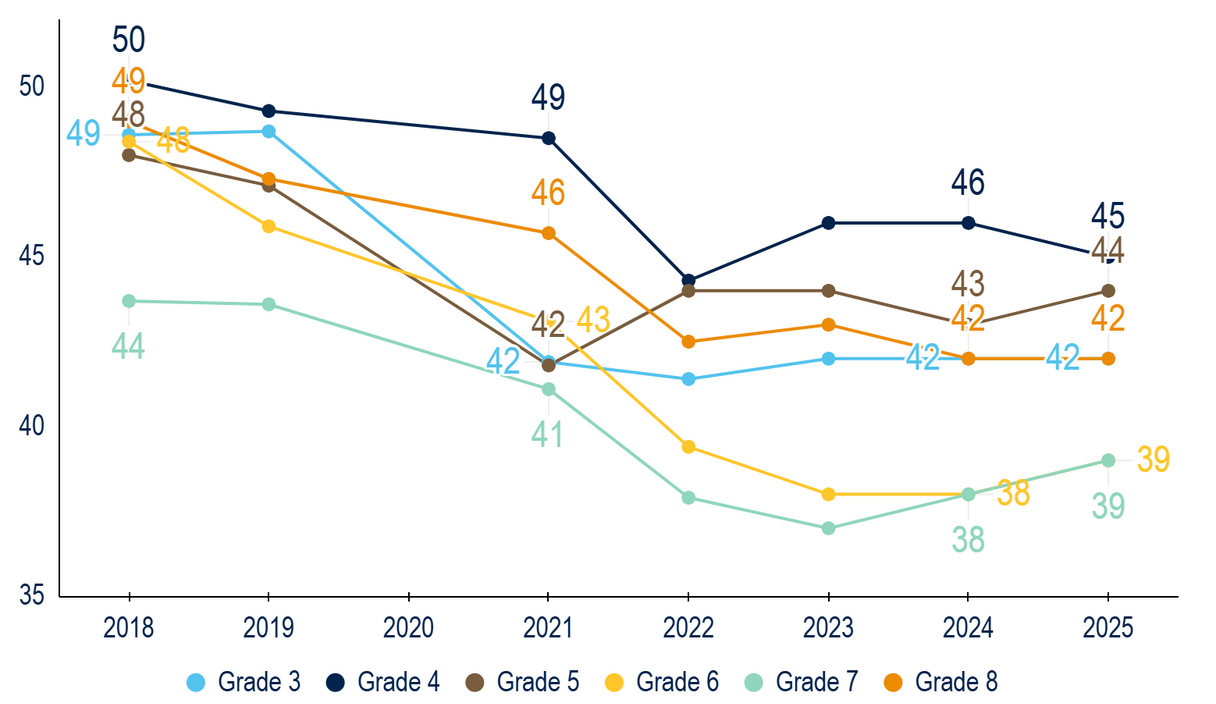
In 2025, fifth and sixth graders scored higher in ELA than they did in 2024. These gains are important to note as remaining grades (3, 4, 7, and 8) saw ELA scores decrease or flatline in the same period.
3 Hot Takes: Missouri voters on Four-Day School Weeks, Charter Schools, and School Accountability
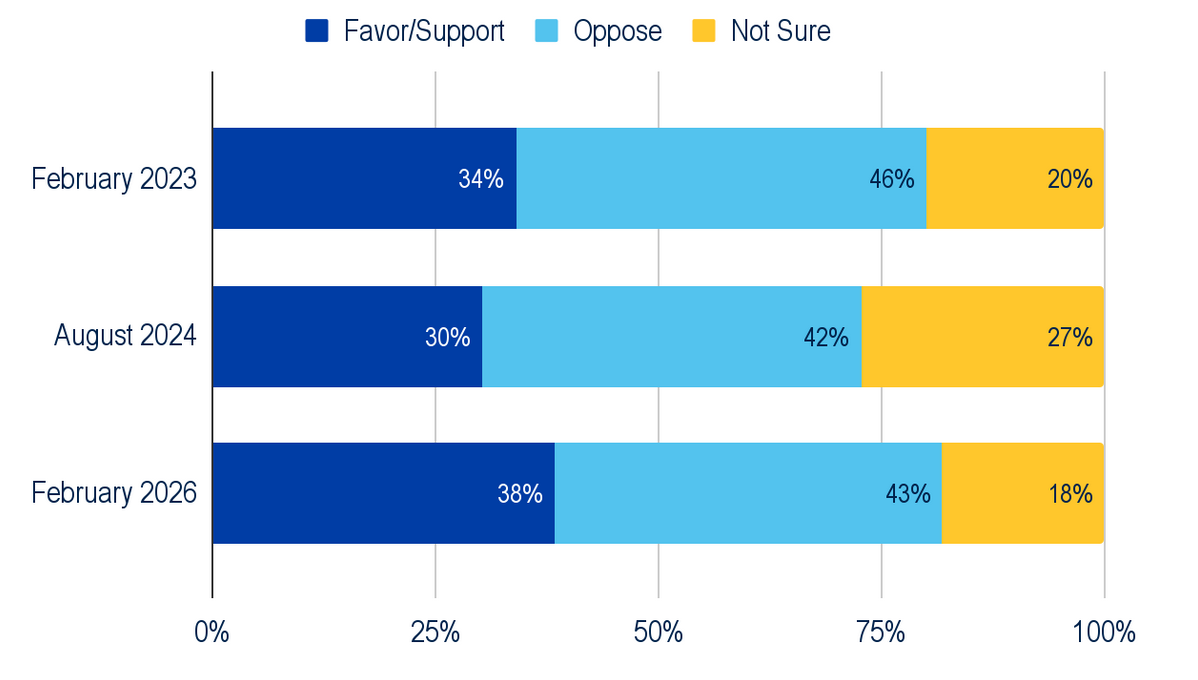
Currently, one in three Missouri districts operate on a four-day school week. Policies about four-day school weeks are intended to increase teacher retention. Support for four-day school weeks has slightly increased since February 2023, but has still not reached 50% support.
Tackling Teacher Turnover
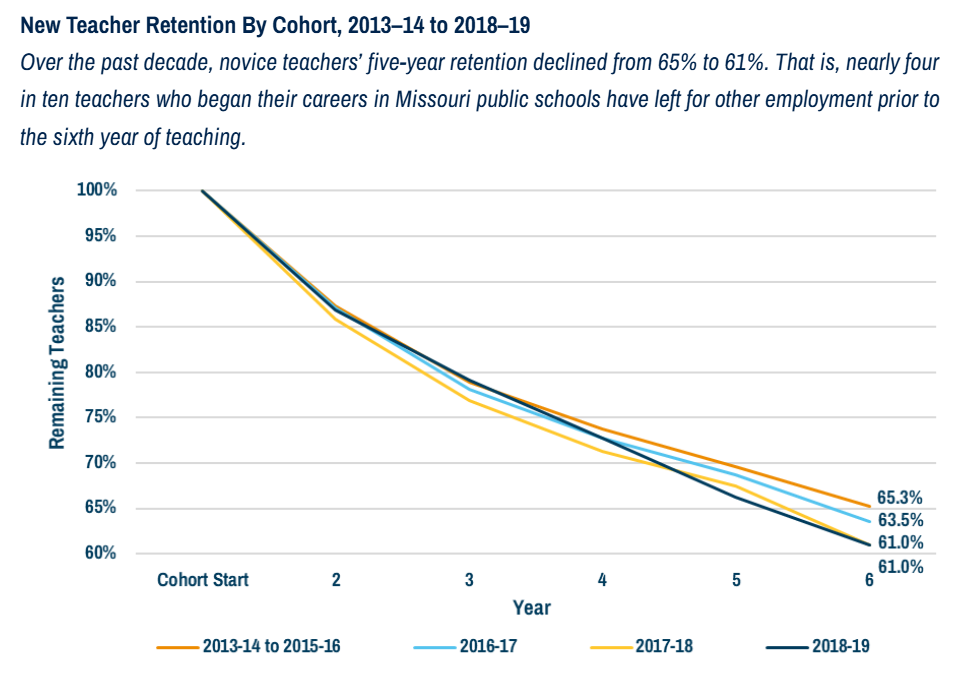
Several studies have connected teacher turnover to declines in student outcomes. First-year teachers are 70% more likely than the average teacher to leave Missouri public education. Fewer and fewer teachers persist through their early-career years, with only six in ten reaching their sixth year in Missouri public education. Policymakers and education leaders should strategize ways to improve early-career teacher working conditions, training, and professional opportunities.

St. Louis Interested in Moving High School Start Times Later
St. Louis schools have been looking into moving high school start times back. St. Louis Public Schools (SLPS) discussed a Healthy Start Times initiative in a work session board meeting in January 2026.
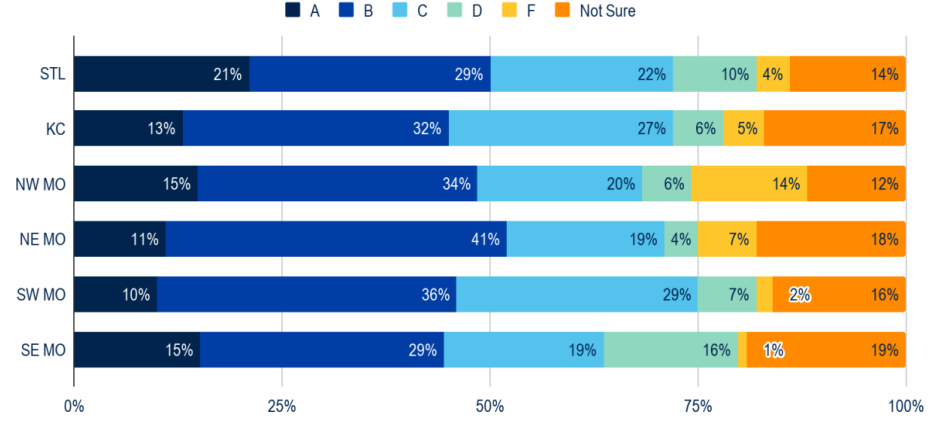
A Majority of Voters Support an A-F Grading Scale for Missouri Schools
The Missouri House just approved a bill (H.B. 2710) that would require the Missouri Department of Elementary and Secondary Education (DESE) to publish an annual report card that assigns a letter grade (A-F) to schools across the state. This would replace the already existing Annual Performance Report that DESE currently publishes.
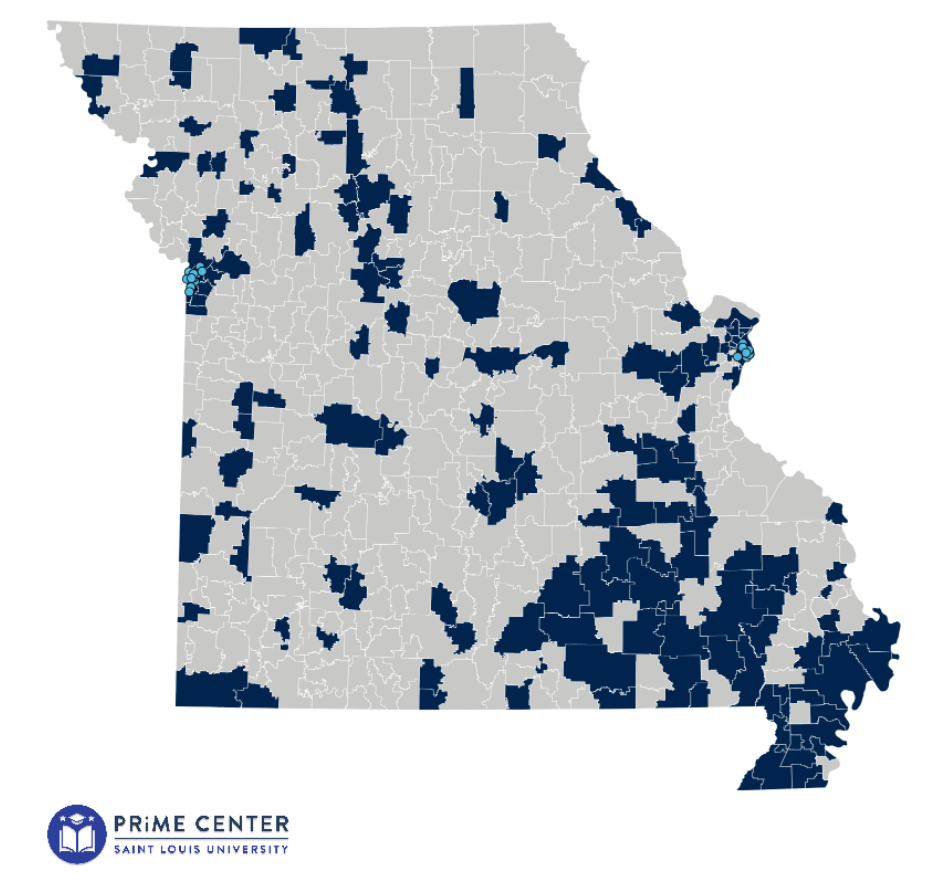
Which schools in Missouri are the best?
The fifth edition of PRiME’s annual growth reports are live! The “best” schools are usually thought to be those with the highest scores or proficiency rates on standardized tests. But that’s not necessarily the most effective way to evaluate school performance. In these reports, schools are ranked according to the progress students made from one school year to the next.
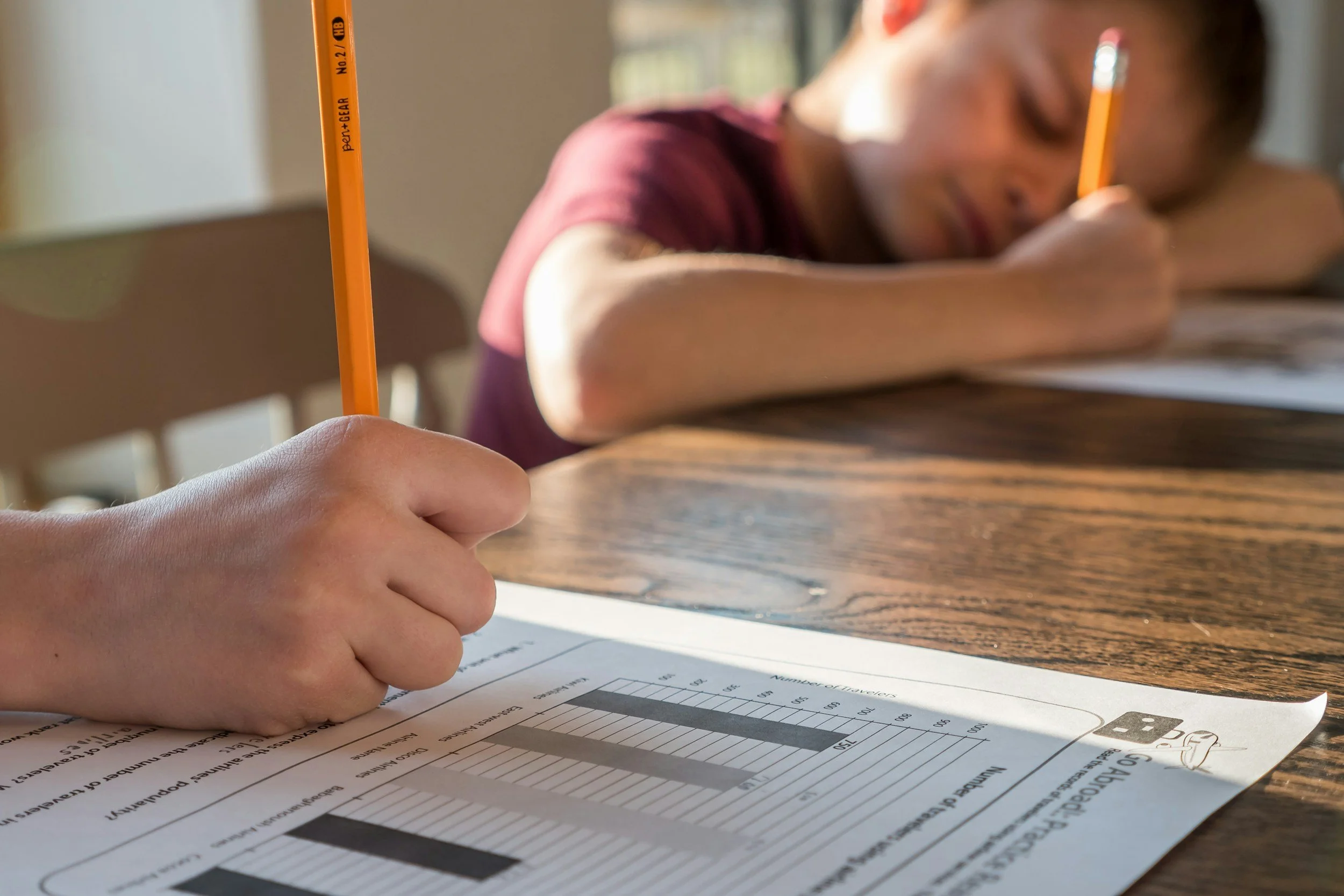
New report confirms homeschooling popularity is surging
A new report estimates that more than 3.4 million children in America are homeschooled – signaling yet again that the post-COVID homeschool surge is here to stay.

Five things to Know About MAP Testing
A quick FAQ for understanding the basics of MAP testing
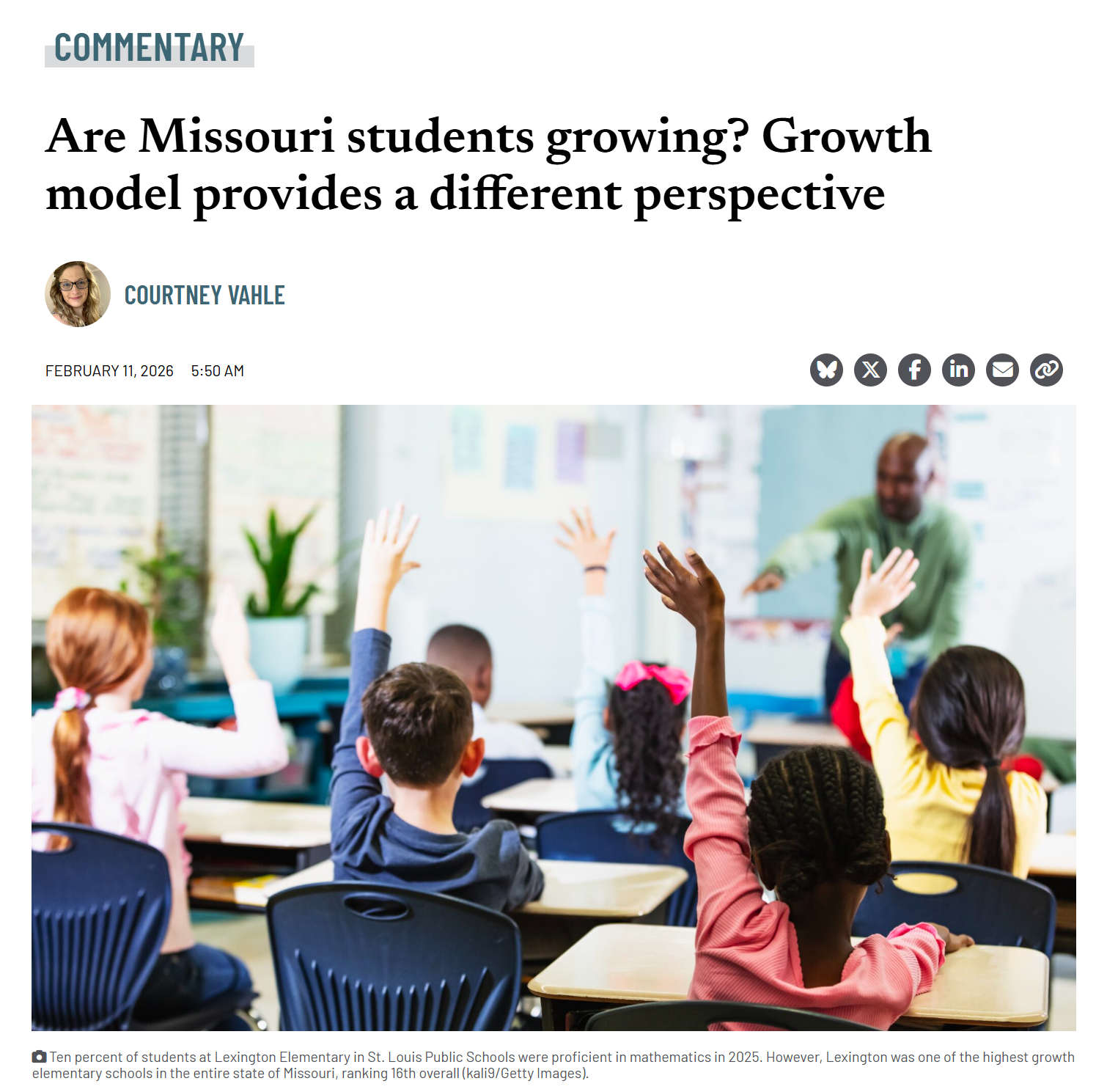
PRiME In The News: “Are Missouri Students Growing?”
Each December, the Missouri Department of Elementary and Secondary Education (DESE) releases standardized testing results from the previous school year. Behind the scenes, the PRiME Center gets to work crunching the numbers to highlight the schools across the state demonstrating the highest growth in math and English language arts during the previous school year. Offering an alternative narrative to proficiency, growth accounts for where students start the year and determines how much progress they’ve made.

Displacement of Black Teachers in Missouri Post-Brown Summary and Coverage
A summary and overview of news coverage of Joseph. R. Nichols, Jr., Ph.D. and Alyssa Ignaczak, M.Ed.’s report on Displacement of Black Teachers in Missouri Post-Brown, 1954-1970.

Count Day in Missouri
Every fall and winter, Missouri schools take part in what may seem like a routine data task: reporting student enrollment on Count Day. But this process is more than a clerical requirement. The numbers submitted on these days drive state funding, federal allocations, and accountability systems that shape the resources and opportunities available to students across the state.

Growth Data Summit News Coverage
Last week, the PRiME Center hosted a data summit series to discuss The Missouri Growth Score Model and how it is being used to highlight school and instructional achievement.

Artificial Intelligence (AI) in Missouri Schools
The use of Artificial Intelligence is on the rise in classrooms across the country, and while some districts have begun implementing guidelines and integrating AI tools into their schools, Missouri does not yet have a formal policy in place.

NEW: Expanded Analysis of High School Start Times in Missouri
The PRiME Center provides an updated analysis of high school start times across the state of Missouri.

PRiME Growth Report: Special Edition
Since 2019 the PRiME Center has issued reports that feature the highest growth schools in Missouri, translating state growth data into a scale that parents, educators and policymakers can use. Our recent Special Edition of the PRiME Growth Report Series examines the average PRiME Growth Scores of schools since COVID, over the three periods where we have full data: the 2021–22, 2022–23, and 2023–24 school years.

Statewide Ban on Cell Phones in Missouri Schools: What Does It Mean, Who is Affected, and How Do Missouri Voters Feel About it?
On July 9, 2025, Missouri Governor Mike Kehoe signed Senate Bill 68 into law, enacting a statewide ban on electronic communication devices in Missouri public and charter schools beginning with the 2025–26 academic year. This bill comes in response to growing concerns among Missourians about technology in the classroom and reflects a broader desire to promote educational attainment, safety, and effective working environments for employees in Missouri schools.